This is not an official website of Corbett national park. It is registered under the private travel agency name Seven Safar Tour & Travels. We organize Hotel, Safari and Tour Package bookings in Corbett national park.
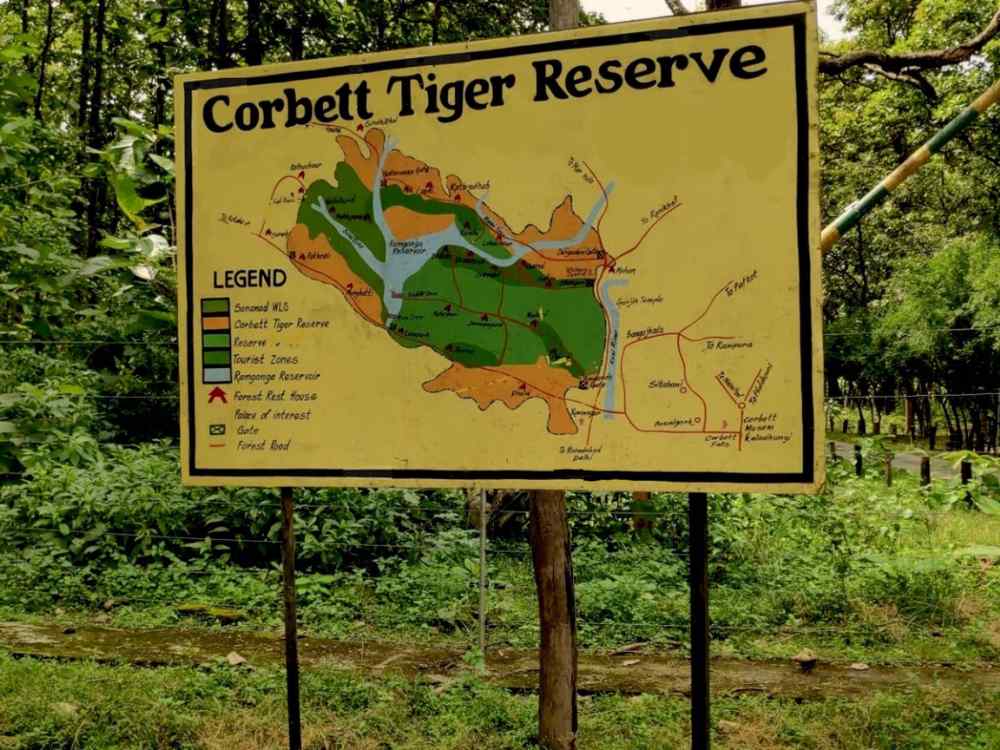
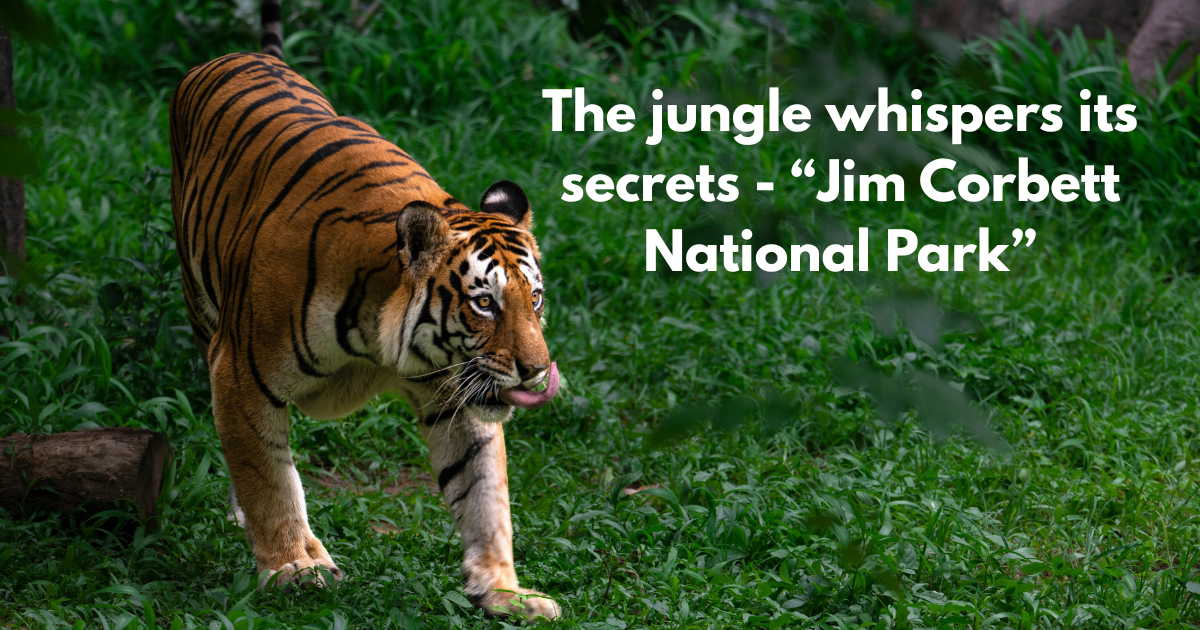
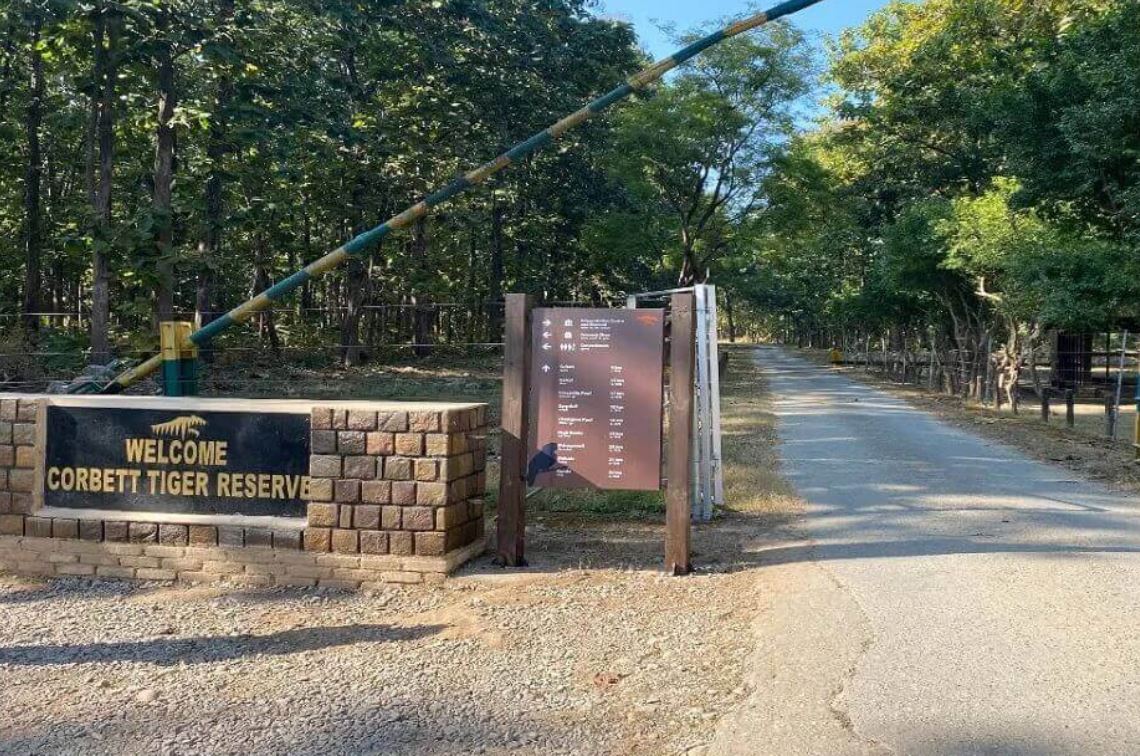
Jim Corbett Tiger Reserve is one of the oldest and finest tiger reserves in India located in Uttarakhand state, in the foothills of the mighty Himalayas. The park is awarded for the successful tiger protection program. It was opened in 1936 and was first named Hailey National Park. The park was then renamed after Jim Corbett who was an author, photographer, and wildlife conservationist. Wildlife enthusiasts from all over India travel to Corbett to catch a glimpse of the Royal Bengal Tiger, wild elephants, spotted deer, and a wide variety of colorful birds and to experience the various different safari zones in the park. Each zone in the park has its own unique experience. It is important for the visitors to understand the different zones so the visitors can know which zone would be the best for their safari to help them have the best experience.
Dhikala Zone
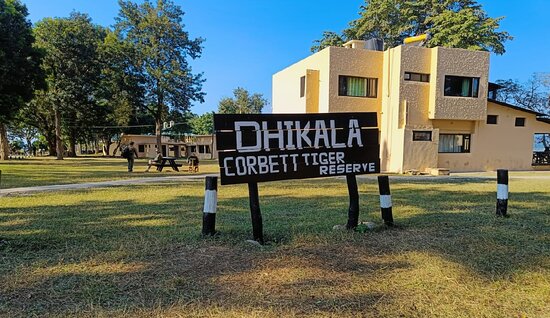
The largest and most popular of all of Corbett zones, the Dhikala Zone, is of the most significant zones nestled in the center of Jim Corbett Tiger Reserve. This zone captures the essence of the expansive grass plains, known as ‘chaurs,’ the dense sal forests, and the magnificent Ramganga River. The expansive grasslands create an ease in the spotting of wildlife, as tigers are consistently seen crossing the grass plains and water bodies, elephants travel in large herds, and the open areas are abundant with grazing spotted deer as well as the occasional crocodile sighting. In the Dhikala Zone, visitors have the option to book one of the Dhikala forest rest houses to spend the night in the jungle, which provides a unique experience in itself. The sounds of the jungle create an experience that is as memorable as it is special. Due to the unique nature of the zone, it is a zone that should be visited by wildlife enthusiasts and keen photographers as entry permits are limited and must be pre-booked.
Bijrani Zone
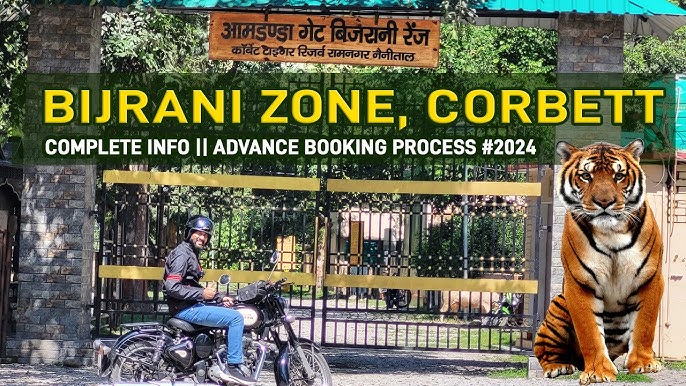
The Bijrani Zone is an extremely popular area of the Jim Corbett Tiger Reserve. Its proximity to Ramnagar Town gives it easy accessibility to guests. The landscape consists of a mixture of open grasslands with some dense forest patches allowing for a diverse range of wildlife. The early morning safari is extremely popular for tiger sightings. Other wildlife such as elephants, wild boar, sambar deer, and langurs are frequently seen as well. The roads are well maintained and provide a smooth safari experience. With the fields and forests freshly green for winter, the cool weather creates the most comfortable safari experience. The combination of wildlife and natural beauty makes Bijrani an excellent option for first time travelers to Corbett.
Jhirna Zone
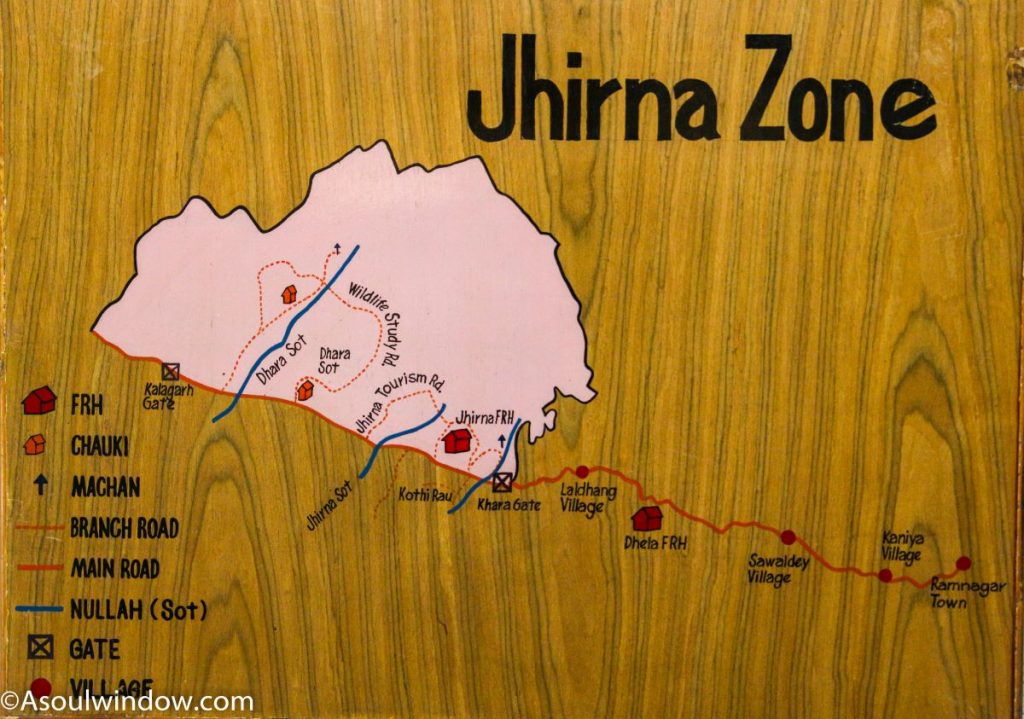
Jhirna Zone is unique as it remains open throughout the year. While other zones in Jim Corbett National Park close for the monsoons, Jhirna remains open through the monsoons as well. This is a great choice for visitors travelling in the July to September period. Jhirna Zone is home to mainly a dry, deciduous forest which has a variety of open areas, shrubland, and small water bodies. It is a great place to see wildlife and some of the animals that are commonly seen include elephants and deer which are often seen crossing the safari tracks. Sloth bears are sometimes seen in this zone and while tigers also inhabit this zone, it is a matter of luck when a tiger is sighted. Jhirna is different to Dhikala and Bijrani as it is more quiet and less crowded.
Dhela Zone
Dhela Zone is a fresh addition to Jim Corbett Tiger Reserve's tourism zones. Its popularity stems from its calm environment. The dense forest, with an abundance of sal trees and a few clearings, is home to a thriving population of deer and elephants. This zone is also frequented by birdwatchers, as there is a great variety of resident and migratory species. Major monsoon rains cause temporary zone closures, while minor rains do not. The area offers a particularly smooth safari experience, and Dhela is chosen by families and nature lovers for a more tranquil forest drive. Although the zone offers the possibility of tiger sightings, the primary attraction is the zone's beautiful forest.
Durga Devi Zone
Durga Devi Zone, located in the northeastern region of Jim Corbett National Park, boasts of scenic natural beauty, courtesy of the nearby Ramganga River. Picture an area of hills and rocks, with just the right amount of rough forest road to enhance the fun of an adventurous safari. While tigers are the major scenic highlight across national parks in India, they are not common here, and visitors mainly get to see leopards, deer, and elephants. In contrast to the other national parks, this zone is renowned for its tranquility, which is why it is preferred by guests who value forests and the serenity of rushing rivers.
Garjiya and Sitabani Zones
Garjiya Zone is part of the buffer area of jim corbett tiger reserve. This zone is prominent due to its ease of access and increasing movement of wildlife. Elephants and deer can be spotted in this area. The forest is quite beautiful and less populated. Sitabani Zone is situated outside the main core area of Corbett. This zone is famous for its calm and peaceful surroundings. Lots of small wildlife and a variety of birds can be spotted. Sitabani Zone offers a good experience of nature even though tiger sightings are not a guarantee.
Choosing the Right Zone for Your Visit
Choosing the right zone in Jim Corbett Tiger Reserve is very crucial for having a good time and getting things done. The perfect zone for you depends on a number of things, such as why you're going, when you're going, and what kind of experience you want. Dhikala and Bijrani are the best places for those who want to see tigers. These zones are in the park's main sections, where there are the most tigers. The broad grasslands and waterholes make it easier to see them in their natural habitat. When it rains a lot and the forest paths are slippery, Jhirna is a better and safer choice for anyone who wants to travel during the monsoon season. This area is open for most of the year, and the dry deciduous forests, lesser sources of water, and unusual plants make for a different kind of animal experience.
Dhela and Durga Devi are two areas that are quieter and less busy, so you may have a pleasant safari. These areas are a little off the beaten path for tourists, so you can hear the sounds of the jungle and see elephants, animals, and birds without a lot of other people around. There are also some adventure elements in Durga Devi, such as somewhat harder paths and beautiful steep terrain. The scenery, wildlife density, and visual experience are all very distinct in each zone of the Jim Corbett Tiger Reserve. So, if you arrange your safari based on your interests, the time of year, and how easy it is to get to the zone, you'll have a more meaningful and memorable experience. It's also important to remember that there are only a limited number of safari permits available, so it's best to reserve ahead of time to get the zone and time you want.
Conclusion
Jim Corbett National Park is a great place if you are looking for beautiful nature and lots of different wildlife. Each safari zone in Corbett has different activities and beautiful nature . Each zone has a different experience. Learning about the different zones can help you plan your trip. If you want your trip to Jim Corbett Wildlife Sanctuary to be the best it can be, making an early booking is a great option. Corbett is a great wildlife adventure with lots of educational opportunities.


 (1).png)
.png)