This is not an official website of Corbett national park. It is registered under the private travel agency name Seven Safar Tour & Travels. We organize Hotel, Safari and Tour Package bookings in Corbett national park.
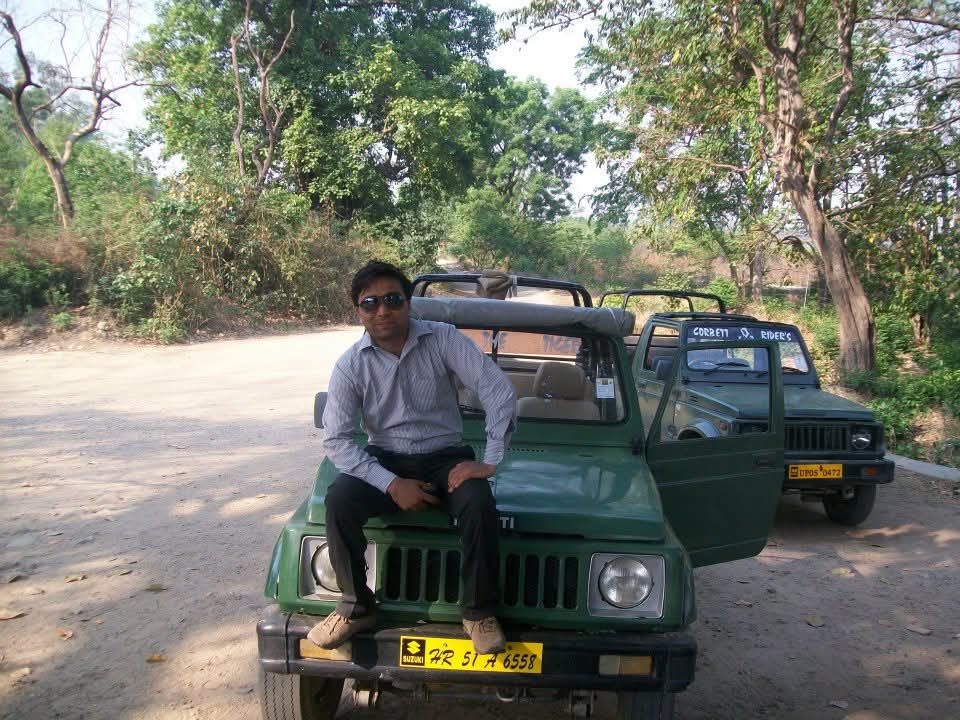
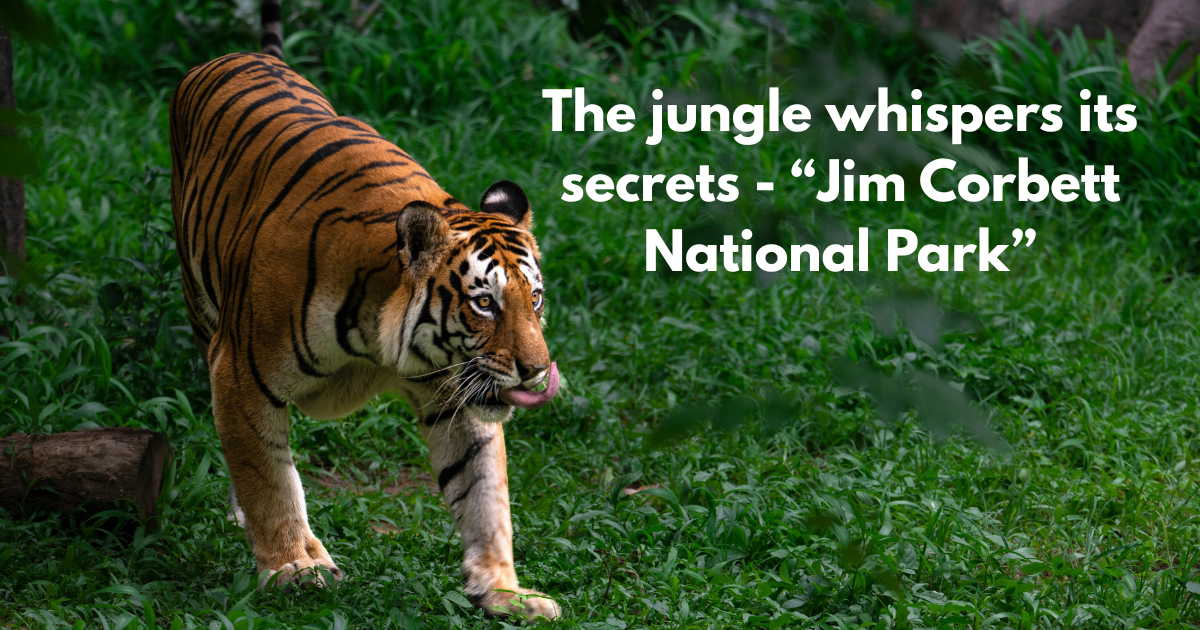
Jim Corbett National Park is one of the most well-known wildlife sanctuaries in India. It is in the Nainital district of Uttarakhand. It is famous for its thick forests, rolling hills, rivers, and, most significantly, the beautiful Bengal tiger that lives there. The park is part of the bigger Jim Corbett Tiger Reserve. It has a long history as India's first national park, which opened in 1936. There is more to visiting Jim Corbett than just seeing tigers. You may also enjoy the beautiful scenery, learn about wildlife protection, see birds, and explore the beautiful sceneries. Planning ahead is important if you want your trip to be genuinely memorable. This guide will tell you all you need to know. This includes the ideal time to go and the greatest safari zones. Plus, also include the animals you can see, how to get there, and how to have a fun and comfortable trip.
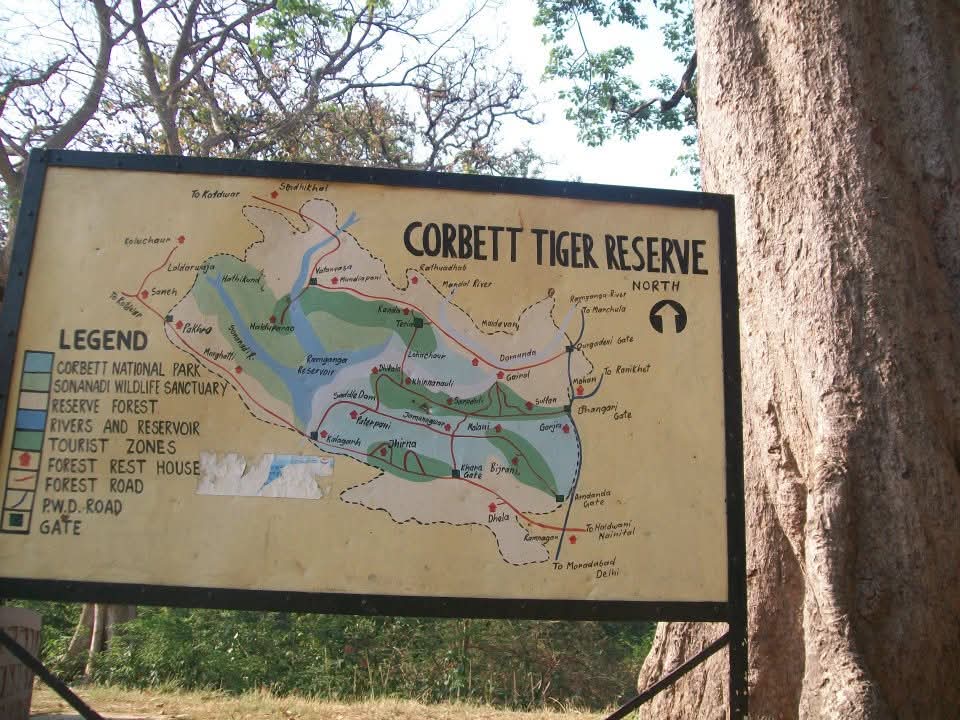
Best Time To Visit Jim Corbett National Park
For a memorable trip to Jim Corbett, it's vitally crucial to pick the right season. Visitors can go to the park from November to June every year.
The best time to go is in the winter, from November to February. The weather is nice and cool throughout this time, with temperatures between 10°C and 25°C. A lot of the time, the mornings are foggy, which makes the woodland look lovely. This is also the best time of year to see wildlife. Animals like tigers, leopards, elephants, sambar deer, and chital come out near waterholes in the winter when water is hard to find. This makes them easier to spot. Birdwatchers will love seeing migratory birds that come from colder areas, and photographers will love how the soft morning light makes it easy to take pictures of animals.
The summer months (March to June) can be very hot, with temperatures between 25°C and 40°C. But this is also the best time to watch tigers and other animals around lakes and rivers in Jim Corbett National Park. During this time, you can often witness young animals like fawns and cubs roaming the woods. In the summer, the best times to go on safari are early in the morning and late in the afternoon, when animals stay away from the heat of the day. Visitors should bring water, wear light clothes, and protect themselves from the sun.
The park is closed during the monsoon season, which runs from July to September. When it rains a lot, forest trails become slippery and unsafe. This time gives plants time to grow again and animals time to mate in peace. October is the time after the monsoon when the forest is full of life and the trees are green. Going to Jim Corbett National Park during this month makes for a quieter and less busy time.
Jim Corbett's Safari Zones and Gates
The safari zones in Jim Corbett National Park are different from each other and provide different things to do. Dhikala, Bijrani, Jhirna, Dhela, Sitabani, and Durga Devi are the important zones. The biggest and most famous zone is Dhikala. People go there to see tigers and get great views of grasslands and rivers. Bijrani is a little smaller, but you might still spot tigers and leopards there. Jhirna and Dhela are popular with first-time visitors and families who seek a shorter safari. Sitabani is a small area that is great for birdwatchers and wildlife photographers.
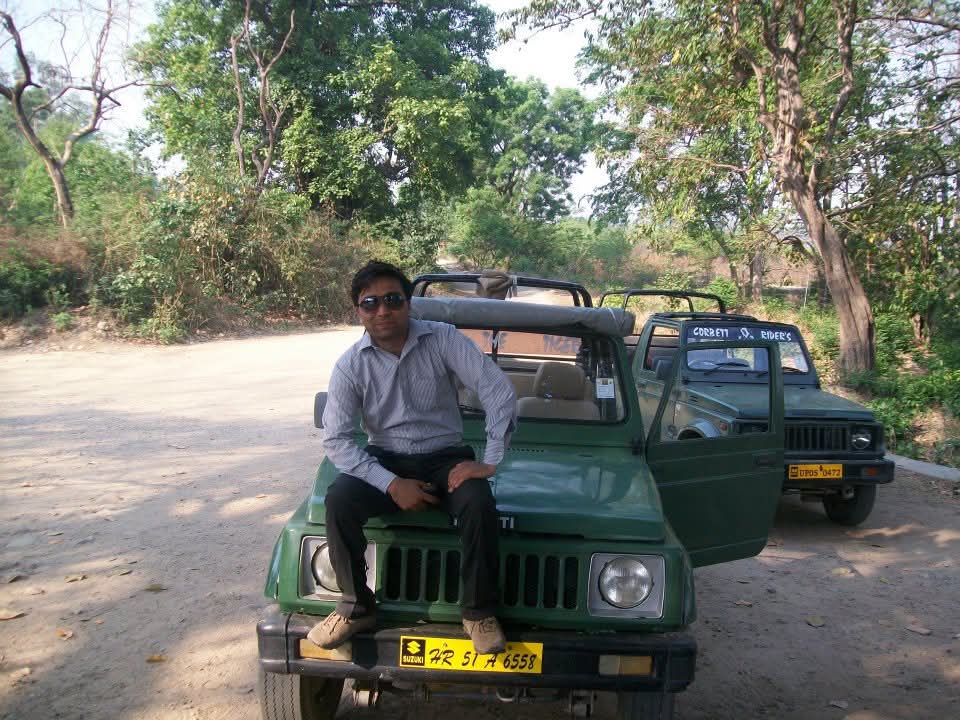
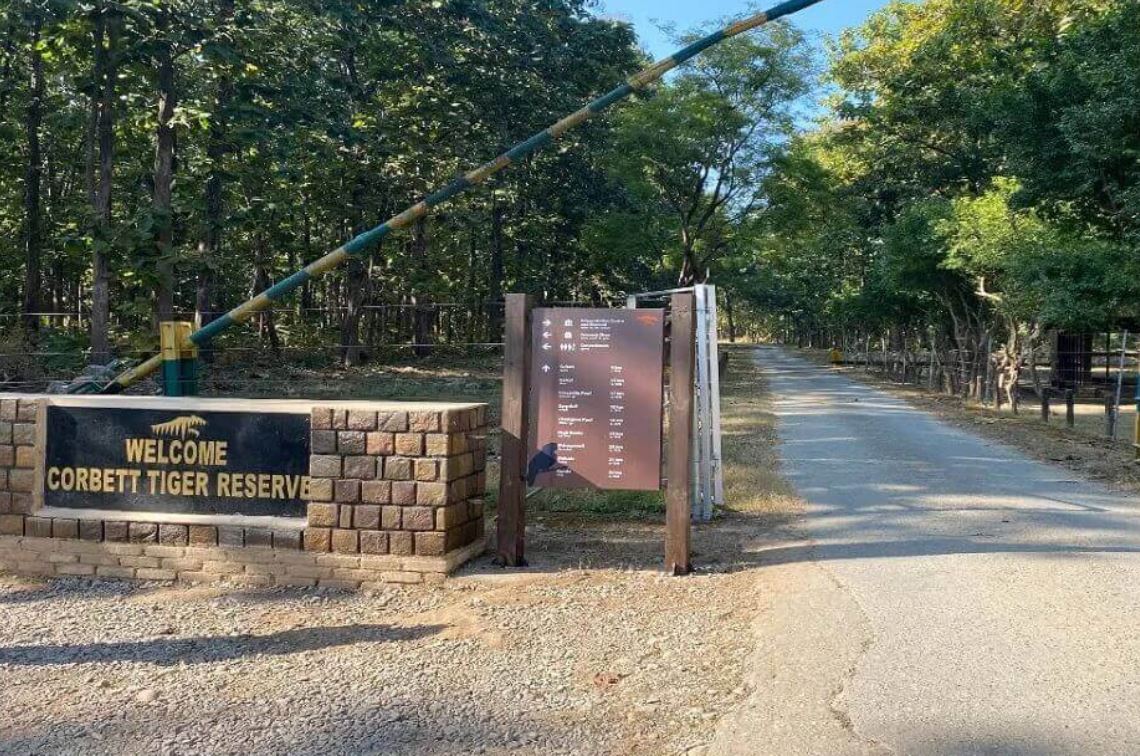
There are various forest gates that control who can enter these areas. Some of these are Dhikala Gate, Bijrani Gate, Jhirna Gate, Dhela Gate, and Sitabani Gate. All visitors must schedule their safari ahead of time and produce a government-issued ID at the gate. You can't drive your own car into the park, so the forest department provides open jeeps or canters for safaris.
Safari Timing and Wildlife
Every day, Jim Corbett National Park conducts two safaris. The morning safari runs from 6:30 AM to 11:00 AM, while the evening safari runs from 2:30 PM to 6:00 PM. Early morning safaris are great for taking pictures of animals and witnessing them in action. Evening safaris are also fun because animals often go toward waterholes before dusk.
There are many different kinds of animals in the park. The Bengal tiger is the main draw and the main reason people come. Leopards, hyenas, and wild dogs are also predators. Sambar deer, chital, barking deer, elephants, and wild boars are all herbivores that are often seen eating in open spaces. The park is a birdwatcher's dream come true, with more than 600 species of birds, such as kingfishers, eagles, woodpeckers, and migratory birds. The rivers and wetlands are home to reptiles like snakes and crocodiles, which add to the park's unique environment.
Travel Options and Distance from Major Cities
It's not too hard to get to Jim Corbett National Park. Ramnagar, which is about 10 kilometers from the park, is the closest train station. Trains connect Ramnagar to Delhi, Lucknow, and other big cities very well. Pantnagar Airport is the closest airport to the park. It is around 70 km away and has flights from Delhi and other surrounding places. You can get to the park by car from Delhi (260 km), Nainital (200 km), Haridwar (180 km), and Dehradun (220 km). You may easily get around by bus, taxi, or your own car.
Accommodation and Resorts
There are many places to stay near Jim Corbett National Park for visitors. These include eco-friendly cottages, affordable hotels, luxury resorts, and jungle lodges. Some resorts offer guided safaris, dinners, and transportation to and from neighboring airports or train stations. If you stay close to the park gates, especially Dhikala or Bijrani, you can go on safaris early in the morning and spend more time in the forest. Many resorts and lodges provide campfire experiences, discussions about wildlife, and birdwatching expeditions that make the stay even more special.
Tips for a Memorable Jim Corbett National Park Tour
Plan ahead so you can get the most out of your trip. Always book safaris ahead of time, especially on weekends and during high season. Bring your safari e-permit and an ID issued by the government. Wear clothes that are neutral colors so you fit in with the forest. Bring binoculars and a camera with a zoom lens to see animals. Follow all the restrictions of the park, stay in your safari vehicle, and don't feed or bother the animals. Early morning safaris are the ideal time to see animals that are active, although sunset safaris can also be fantastic for observing animals around waterholes. Drink plenty of water, bring snacks, and wear shoes that are easy to walk in. If you listen to your guide, you'll learn more about the park, the animals, and where they live.
Conclusion
Going to Jim Corbett National Park can change your life. You can see Bengal tigers, elephants, leopards, and many other species in their natural habitat if you go at the proper time, book the right safari zones, stay in a pleasant place, and respect the park restrictions. The park isn't just about animals; it also has magnificent forests, tranquil rivers, and stunning scenery. A well-planned Jim Corbett tour will provide you with memories that will last a lifetime, adventure, and a deep connection with India's amazing wildlife, whether you are a family, a student, a photographer, or a nature enthusiast. If you plan ahead, your safari will be safe, fun, and full of exciting animal encounters.


 (1).png)
.png)